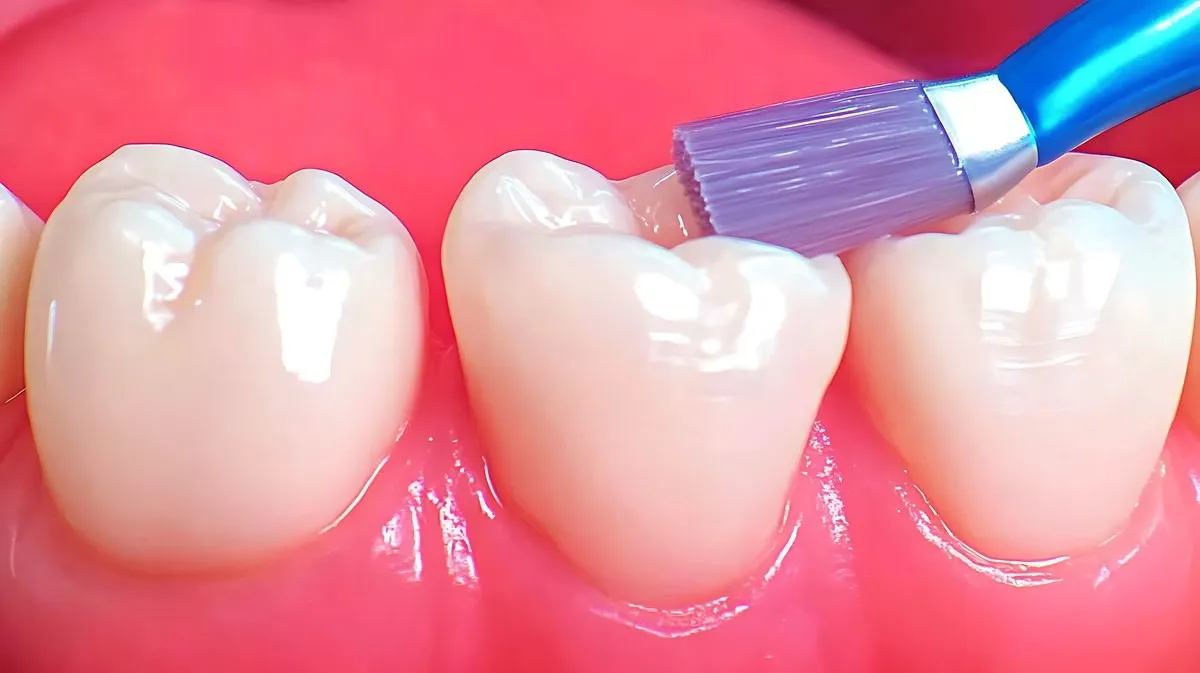

Yes, dental sealants can prevent many cavities in children, but only on the surfaces they cover. Sealants are thin protective coatings painted onto the chewing surfaces of back teeth, where deep grooves trap food and bacteria that a toothbrush cannot fully reach. They are very effective at protecting those grooves, yet they do not protect the spaces between teeth or the smooth sides of each tooth, so they work best as one part of a complete prevention plan.
At Guadalupe Kids Dental in Seguin, Dr. Kristopher “Kit” Bennion recommends dental sealants based on each child’s teeth and cavity risk, not on a one-size-fits-all schedule. Below, we look at what the research says about how well sealants work, which teeth benefit most, and what sealants can and cannot do for your child.
How Well Do Dental Sealants Prevent Cavities?
The evidence for sealants is strong. According to the Centers for Disease Control and Prevention (CDC), sealants prevent about 80% of cavities in back teeth for two years after they are placed and continue to protect against about 50% of cavities for up to four years. The CDC has also reported that school-age children without sealants have almost three times more cavities in their first permanent molars than children with sealants.
A 2016 clinical practice guideline from the American Dental Association and the American Academy of Pediatric Dentistry reached a similar conclusion. The guideline panel found that sealants are effective in preventing and stopping decay in the pits and grooves of both baby molars and permanent molars in children and teens, and it recommended sealants for these teeth.
These numbers describe groups of children, not a guarantee for any single tooth. How well a sealant protects your child depends on how well it stays bonded, how deep the grooves are, and the habits that surround it, such as brushing, diet, and regular checkups.
What Sealants Protect and What They Do Not
Sealants are designed for one job: covering the pits and fissures on the chewing surfaces of molars and premolars. These grooves can be so narrow and deep that toothbrush bristles have trouble cleaning them, which is why they are where many childhood cavities begin. When the liquid sealant flows into the grooves and hardens, it creates a smooth surface that is much easier to keep clean.
Sealants do not cover the surfaces between teeth, where cavities also form when food and plaque are not removed by flossing. They also do not strengthen the rest of the enamel the way fluoride does. That is why your child still needs to brush twice a day with fluoride toothpaste, floss once a day, and visit the dentist regularly. Many families pair sealants with professional fluoride treatment for broader protection.
If your child brushes well but still gets cavities, sealants may be part of the answer, along with a closer look at diet and snacking. Our article on why some kids get more cavities despite good brushing covers the other factors that can raise a child’s risk.
Which Teeth Benefit Most From Sealants?
The timing for dental sealants usually follows the eruption of permanent molars. First permanent molars often come in around age 6, and second permanent molars around age 12. Sealing these teeth soon after they erupt protects them during the years when children are still building their brushing skills.
Sealants can also be helpful in other situations. Dr. Bennion may recommend them for baby molars with deep grooves, for teenagers who never received sealants, and for children with a history of cavities or other higher risk factors. During your child’s regular exam, he will evaluate each tooth and recommend sealants only when they are likely to help.
Can Sealants Be Placed Over Early Decay?
In many cases, yes. The ADA and AAPD guideline recommends sealants not only for healthy molars but also for molars with early, non-cavitated decay, meaning the enamel has started to weaken but no hole has formed yet. Sealing these spots can help stop the decay from progressing.
Once decay has created an actual cavity, a sealant alone is not enough, and the tooth may need a tooth filling instead. This is one reason regular pediatric dental exams and cleanings are so valuable: they help catch early changes while a simple sealant is still an option.
What Is the Dental Sealant Application Process?
One of the biggest advantages of dental sealants is that the application process is quick, painless, and does not require drilling or numbing. During a typical sealant appointment, the tooth surface is cleaned to remove plaque and food debris. A gentle etching solution is applied to help the sealant bond, and then the tooth is rinsed and thoroughly dried.
Next, the liquid sealant is painted onto the chewing surface and hardened with a special light. Finally, we check the sealant to make sure it is placed properly and that your child’s bite feels comfortable. The process takes just a few minutes per tooth, and your child can usually eat and drink normally right afterward.

Questions About Your Child's Dental Health? test
Dr. Kit Bennion is here to help.
How Long Do Sealants Last?
With proper care, sealants can last for several years, but they can wear down or chip over time, especially if a child chews ice or hard candy. Because the CDC data show protection is strongest in the first few years, checking sealants at each visit matters. If a sealant is worn or partly missing, it can often be repaired or reapplied quickly.
A few simple habits help sealants last as long as possible:
- Avoid chewing ice, hard candy, and other very hard objects
- Keep brushing twice a day with fluoride toothpaste, including the sealed back teeth
- Limit sticky, sugary snacks between meals
- Keep regular checkups so worn sealants can be found and touched up
Sealants are part of our broader approach to preventive dental care for kids, which focuses on stopping problems before they start.
Are Dental Sealants Safe for Kids?
Dental sealants have been used for decades and are made from materials that are well tolerated by the body. Some parents ask about BPA (bisphenol A). According to the American Dental Association, dental sealants can contribute to very low level BPA exposure for a few hours after placement, and based on current evidence there is no health concern from BPA exposure from any dental material. If you have questions about the materials we use, we are happy to talk them through at your visit.
Cost and Insurance Considerations for Dental Sealants
Dental sealants are a cost-effective preventive measure. Many dental insurance plans cover sealants for children and teens, because preventing cavities typically costs less than treating them. Coverage details vary, including which teeth and ages are covered.
At Guadalupe Kids Dental, we work with most major insurance providers, including TMHP (Medicaid), and we are happy to verify your coverage for dental sealants. You can learn more on our insurance and financing page.
Protecting Your Child’s Smile at Guadalupe Kids Dental With Dental Sealants
Our team at Guadalupe Kids Dental is committed to providing gentle, patient-focused care for children in Seguin, TX. Dr. Bennion is a board-certified pediatric dentist who completed his residency at Children’s Hospital of Philadelphia and the University of Pennsylvania, where his training included sedation dentistry and the care of medically complex pediatric patients. He emphasizes prevention, education, and the most conservative treatment possible, and we tailor preventive treatments like sealants to each child.
Sealants work best when they are placed before cavities have a chance to form. If your child’s permanent molars are coming in, or you want to know whether sealants are right for your child, use our contact form to schedule a dental exam.
Frequently Asked Questions About Dental Sealants for Kids
Do sealants completely prevent cavities?
No. Sealants greatly lower the risk of cavities in the grooves of back teeth, but they do not cover the spaces between teeth or the smooth sides of each tooth. Brushing with fluoride toothpaste, flossing, a balanced diet, and regular checkups are still needed.
At what age should my child get sealants?
Sealants are often placed soon after the permanent molars come in, around age 6 for the first molars and around age 12 for the second molars. Baby molars with deep grooves and teeth in children with a higher cavity risk may also benefit.
Can baby teeth get sealants?
Yes. The ADA and AAPD guideline found sealants effective on baby molars as well as permanent molars. Your pediatric dentist will recommend them when the grooves are deep or your child has a higher risk of cavities.
Does getting sealants hurt?
No. Placing sealants does not involve drilling or numbing. The tooth is cleaned, prepared, and painted with the sealant, which is hardened with a light in a few minutes per tooth.
What happens if a sealant wears off?
Sealants can wear or chip over time. Your dentist checks them at each visit, and a worn or partly missing sealant can usually be repaired or reapplied quickly.