
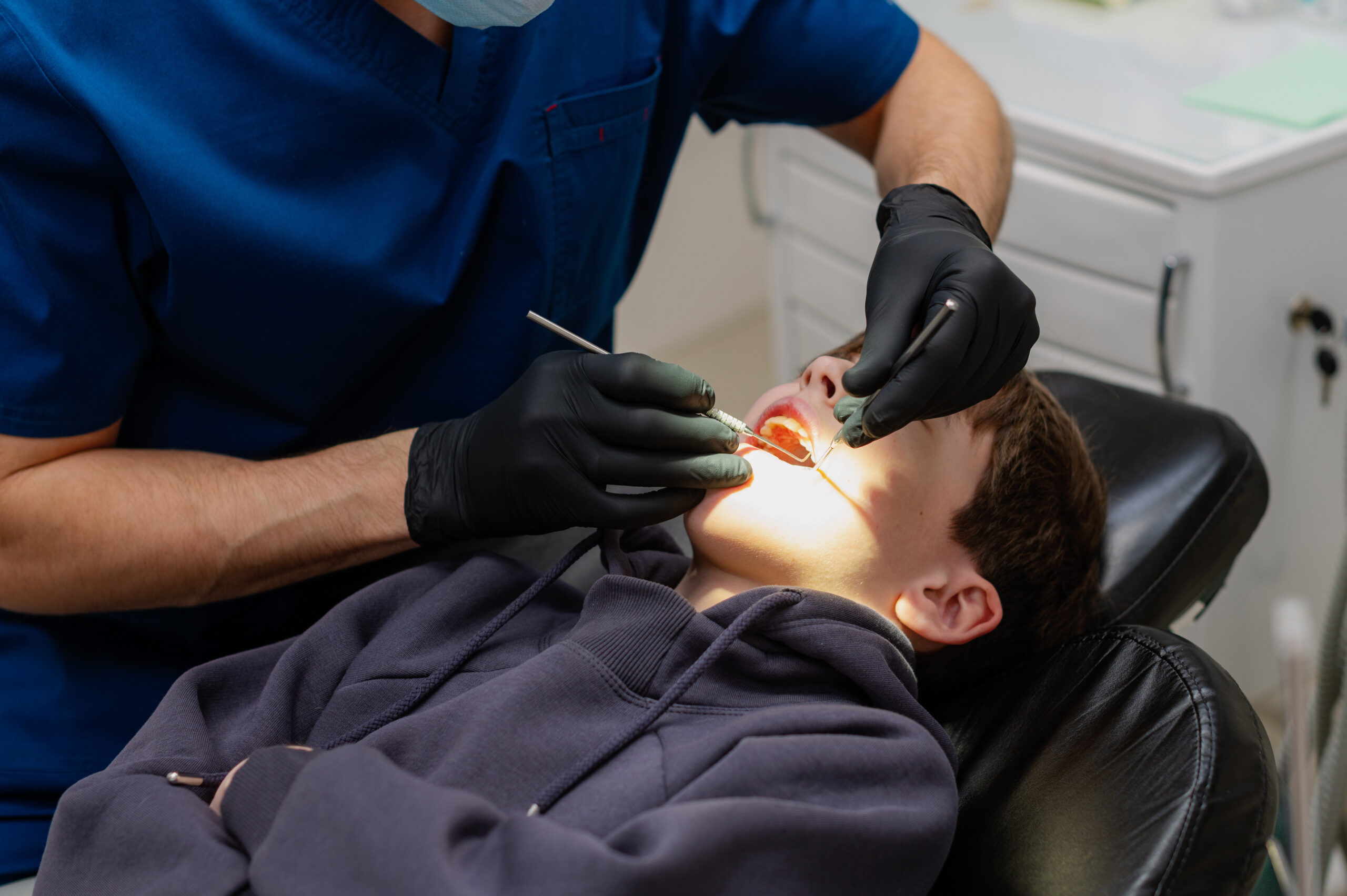

Dental emergencies in children can be frightening and confusing for parents who may struggle to determine whether an injury or sudden dental problem requires immediate professional attention or can wait until regular office hours. Understanding the warning signs that indicate a true dental emergency helps ensure that children receive timely care when they need it most, preventing complications that could affect their oral health for years to come.
At Guadalupe Pediatric Dentistry, Dr. Kit Bennion and our team help families throughout Seguin recognize the difference between a problem that can wait and one that needs same-day attention.
Dental Trauma and Accidents
Traumatic dental injuries represent one of the most common reasons children require emergency dental care. Research indicates that between 15 percent of preschoolers and 20 to 25 percent of school-age children experience some form of dental trauma, making these injuries a significant concern for pediatric dentistry. Falls, sports activities, bicycle accidents, and collisions with objects or other children frequently cause damage to teeth and surrounding oral structures.
Signs of Serious Trauma
Visible bleeding that does not stop within a few minutes, significant swelling of the lips or gums, teeth that appear loose or displaced from their normal position, or any tooth that has been completely knocked out indicates a true emergency. Parents should also watch for teeth that change color in the hours or days following an accident, as this may signal damage to the tooth’s internal structures.
Severe Tooth Pain and Sensitivity
Sudden, intense tooth pain in children often indicates a problem requiring immediate attention. While minor sensitivity to hot or cold foods may not constitute an emergency, pain that interferes with eating, sleeping, or daily activities warrants prompt evaluation. Children who cannot be comforted, refuse to eat or drink, or show signs of distress related to dental pain should be seen quickly.
Accompanying Symptoms
Fever, facial swelling, swollen gums, or a visible bump on the gum tissue near a painful tooth suggests infection that requires immediate treatment. Dental infections can spread rapidly in children, potentially affecting their overall health. Pus or discharge around a tooth, a foul taste in the mouth, or swollen lymph nodes in the neck also indicate infection requiring urgent care.
Dental Infections and Abscesses
A dental abscess occurs when bacteria infect the tooth’s inner pulp or the surrounding tissues, creating a pocket of pus. These infections can develop quickly in children and may spread beyond the tooth to affect the jaw, face, or other areas of the body. Signs of a dental abscess include visible swelling of the gums or face, a pimple-like bump on the gums that may drain fluid, severe pain, and difficulty opening the mouth or swallowing.
Lost or Broken Dental Restorations
When a child loses a filling or has a crown come off, the exposed tooth becomes vulnerable to further damage, sensitivity, and decay. While this may not always constitute a true emergency, children experiencing pain from the exposed tooth or having difficulty eating should be seen promptly. Sharp edges from broken restorations can also irritate or cut the tongue, cheeks, or lips, creating discomfort and potential for infection.
Broken or Fractured Jaws
Any injury severe enough to possibly fracture or dislocate the jaw requires immediate emergency room evaluation, followed by urgent dental assessment. Signs of jaw injury include inability to close the mouth properly, significant pain when moving the jaw, visible deformity or misalignment, bleeding inside the mouth, or loosening of multiple teeth. These injuries often result from significant trauma such as falls from heights, vehicle accidents, or contact sports injuries.
Objects Lodged Between Teeth
While a piece of food stuck between teeth may seem minor, objects that cannot be removed with gentle flossing can cause pain, swelling, and potential infection if left in place. Parents should never use sharp objects or excessive force trying to remove lodged items, as this can damage gum tissue or push the object further between the teeth. If gentle flossing does not resolve the problem and the child experiences discomfort, professional removal becomes necessary.

Questions About Your Child's Dental Health? test
Dr. Kit Bennion is here to help.
Soft Tissue Injuries
Injuries to the lips, tongue, cheeks, or gums can produce significant bleeding and may require medical attention even if no teeth are damaged. Apply gentle pressure with clean gauze to control bleeding, and rinse the mouth with water if the child is old enough to do so without swallowing. If bleeding does not stop within 10 to 15 minutes, if the wound is deep or gaping, or if the injury might require stitches, seek immediate care.
Preventing Dental Emergencies
While not all dental emergencies can be prevented, parents can take steps to reduce risk. Children who participate in contact sports should wear properly fitted mouthguards. Regular dental checkups help identify potential problems like cavities or loose teeth before they become emergencies. Teaching children appropriate behaviors, such as not running with objects in their mouths and being careful on playground equipment, also helps minimize injury risk.
If a baby tooth is affected by deep decay or trauma, treatments like pulp therapy can often save the tooth rather than requiring extraction, which helps protect the spacing that guides permanent teeth into place.
Trust Guadalupe Pediatric Dentistry for Emergency Care
Dr. Kit Bennion and the experienced team at Guadalupe Pediatric Dentistry understand that dental emergencies can happen at any time and often cause significant stress for both children and parents. The practice prioritizes emergency appointments, offering same-day care for urgent situations affecting patients from throughout the Seguin area. With specialized training in pediatric dental trauma and a calm, child-friendly approach, our team helps families navigate emergencies with confidence. If you’re unsure whether your child’s situation qualifies as an emergency, review our guide on when to call the dentist or reach out to our office directly.
Frequently Asked Questions About Pediatric Dental Emergencies
How common is dental trauma in children?
Research suggests that around 15 percent of preschoolers and 20 to 25 percent of school-age children experience some form of dental trauma, making it one of the more common reasons for emergency pediatric dental visits.
Does a tooth that changes color after an injury always need treatment?
A color change can signal internal damage to the tooth and should be evaluated by a pediatric dentist, even if the tooth isn’t causing obvious pain.
What should I do if my child’s crown or filling falls out?
Schedule a prompt appointment, since the exposed tooth is more vulnerable to sensitivity and decay. If sharp edges are irritating your child’s mouth, a temporary dental wax can help until you’re seen.
How can I tell if my child has a jaw fracture versus a bruise?
Signs like inability to close the mouth properly, visible deformity, or loosening of multiple teeth suggest a possible fracture and require immediate emergency room evaluation followed by dental assessment.
Can dental emergencies be prevented?
Not all emergencies are preventable, but properly fitted mouthguards for contact sports, regular checkups, and teaching children safe habits around playground equipment all help reduce the risk.