Watching for your baby’s first tooth is both exciting and a little nerve-wracking for many parents in Seguin. Teething typically begins around six months of age, though the exact timing varies from child to child. Understanding what to expect during this milestone helps you support your infant through the process and recognize when professional dental care becomes important.
Babies are born with all their primary teeth already formed beneath the gum line, and the eruption process follows a predictable pattern. Most children have all their baby teeth by age three. First infant visits to the dentist help monitor this development and ensure each new tooth receives proper care from the moment it appears. Knowing the signs of teething and how to provide comfort makes this developmental stage easier for everyone.
The Timeline and Pattern of Tooth Eruption
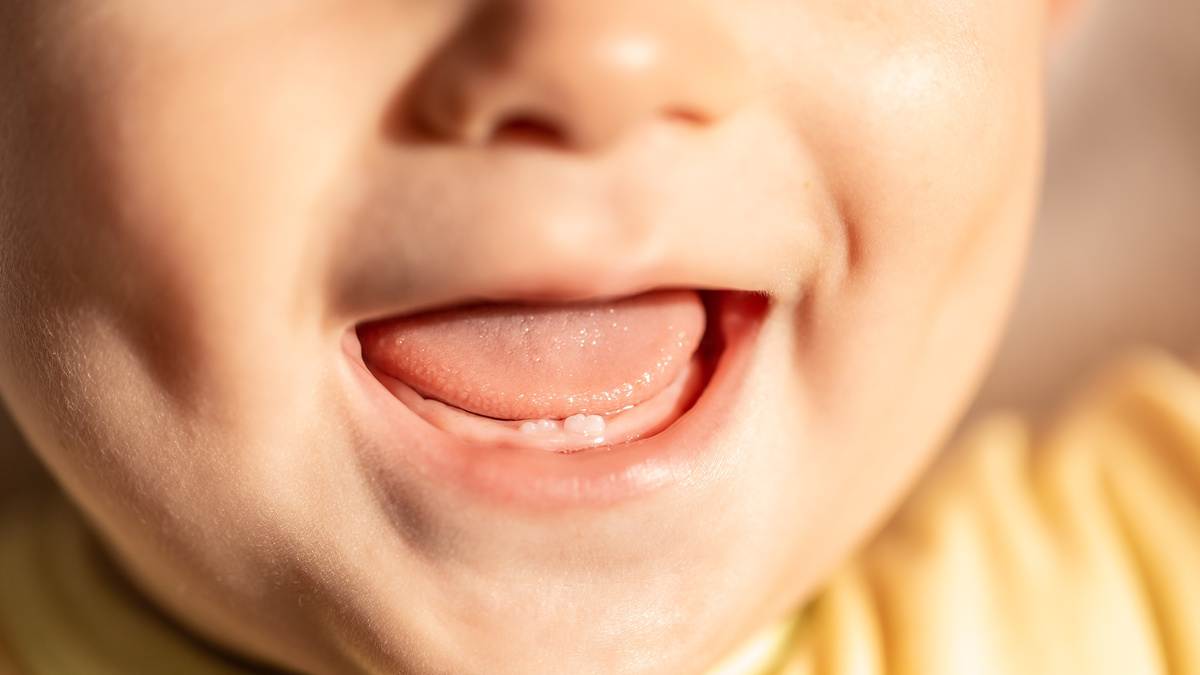
The lower central incisors typically emerge first, usually between six and ten months of age. These bottom front teeth break through the gums in the center of the lower jaw. Shortly after, the upper central incisors appear, followed by the lateral incisors on both the top and bottom. This front-to-back progression continues as your child develops.
First molars generally arrive between 13 and 19 months, providing your child with teeth designed for grinding food. These larger teeth can cause more noticeable discomfort due to their size and the broader area of gum tissue involved. Canines, or cuspids, typically emerge between 16 and 22 months, filling the gaps between the incisors and molars.
The second molars complete the set of primary teeth, usually appearing between 25 and 33 months. By age three, most children have all 20 primary teeth. This timeline represents averages, and significant variation is perfectly normal. Some babies get their first tooth at four months, while others don’t see one until after their first birthday.
Throughout this process, preventive care helps protect these emerging teeth from decay and establishes healthy habits from the start. Each new tooth requires proper care to ensure it remains strong and cavity-free.
Safe and Effective Ways to Soothe Teething Discomfort
Cold provides natural relief for sore gums. Offer your baby a clean, chilled washcloth to chew on, or refrigerate teething rings designed specifically for this purpose. Never freeze these items solid, as extremely cold objects can damage delicate gum tissue. The gentle cold numbs the area slightly while the pressure from chewing counters the internal discomfort.
Gently massaging your baby’s gums with a clean finger can provide comfort. Wash your hands thoroughly, then use a gentle circular motion on the affected gum area. Many babies find this soothing, especially when done before feedings when they might otherwise be fussy.
Consider these additional comfort measures:
- Provide firm rubber teething toys that are easy for small hands to grip and bring to the mouth
- Offer slightly cooled purees or mashed foods for babies already eating solids, as the cool temperature soothes while providing nutrition
- Maintain your regular routines as much as possible to provide security during this uncomfortable period
- Use a clean, soft cloth to gently wipe away excess drool to prevent skin irritation around the mouth and chin
- Distract your baby with extra playtime, cuddles, or new activities when discomfort seems most intense
Avoid teething gels or tablets unless specifically recommended by your pediatrician or pediatric dentist. Many products contain ingredients not approved for infants or carry risks that outweigh their benefits. Always consult with healthcare professionals before introducing any medication or treatment for teething discomfort.
Caring for Newly Erupted Teeth
Begin cleaning as soon as the first tooth appears. Use a soft-bristled infant toothbrush with a tiny smear of fluoride toothpaste, about the size of a grain of rice. Brush gently twice daily, paying attention to all surfaces of the tooth and along the gum line where food particles accumulate.
Position your baby securely in your lap or another comfortable location where you have good visibility of their mouth. Many parents find that singing songs or making the experience playful helps babies accept this new routine. Consistency matters more than perfection at this stage, so don’t worry if early attempts are brief or met with resistance.
Schedule your baby’s first dental appointment around their first birthday or when the first tooth appears, whichever comes first. This early visit allows the pediatric dentist to examine the newly erupted teeth, demonstrate proper brushing technique, and address any questions about your child’s oral development. According to the American Dental Association, establishing a dental home early helps your child become comfortable with professional care and ensures proper monitoring of tooth development.
Watch for any concerning signs as teeth emerge. White or brown spots on newly erupted teeth, visible chips or damage, or persistent bleeding around emerging teeth warrant professional evaluation. Early intervention prevents minor concerns from developing into more significant problems. For emergencies or urgent concerns, emergency care ensures your infant receives prompt attention.
When to Contact Your Pediatric Dentist
Teething discomfort is normal, but certain symptoms require professional evaluation. High fever (over 100.4°F) isn’t typically caused by teething alone and may indicate an infection or illness needing medical attention. Contact your pediatrician if your baby develops a fever during teething.
Severe irritability that interferes with sleep or eating for extended periods deserves attention. While some fussiness is expected, extreme distress might indicate a problem beyond normal teething discomfort. Similarly, if your baby refuses all food and liquid for several hours or shows signs of dehydration, seek medical guidance.
Significant delays in tooth eruption sometimes indicate underlying issues. If your baby hasn’t developed any teeth by 15 months, discuss this with a pediatric dentist. They can evaluate your child’s development and determine whether intervention is needed. Remember that every child develops at their own pace, and what’s normal varies widely.
Unusual gum swelling, persistent bleeding, or cysts forming where teeth should emerge also require professional assessment. These symptoms could indicate complications with the eruption process. Don’t hesitate to reach out to your dental team with concerns, as early evaluation provides peace of mind and ensures any issues are addressed promptly.
Building Healthy Habits from the Start
The emergence of your baby’s first teeth marks the beginning of a lifelong journey in oral health. Creating positive associations with dental care during infancy sets the stage for cooperative behavior as your child grows. Make tooth brushing a regular, non-negotiable part of the daily routine, just like bath time or bedtime stories.
Avoid putting your baby to bed with bottles containing anything other than water. Milk, formula, and juice create an environment where bacteria thrive, leading to rapid decay of newly erupted teeth. This condition, known as baby bottle tooth decay, can cause extensive damage requiring restorative treatment. Finish feedings before putting your baby down to sleep.
Encourage healthy dietary habits as your infant begins eating solid foods. Limit sugary snacks and drinks, focusing instead on nutritious options that support overall development and dental health. The habits you establish now influence your child’s choices for years to come.
As additional teeth emerge, continue with consistent oral care. Each new tooth needs the same attention as the first. Consider fluoride treatment to strengthen enamel and provide extra protection against cavities as your child’s diet expands beyond milk.
Guide Your Infant Through Teething with Guadalupe Kids Dental
Teething is a natural developmental milestone, but that doesn’t make it easier to watch your baby experience discomfort. Understanding what to expect and having effective comfort strategies helps both you and your infant navigate this phase with confidence. Every baby’s experience differs, and what works for one child might not work for another, so stay flexible and patient as you discover what brings your infant relief.
At Guadalupe Kids Dental in Seguin, Dr. Kristopher “Kit” Bennion brings both professional training and personal parenting experience to every appointment. As a board-certified pediatric dentist and father of seven, including a child with Down Syndrome, Dr. Bennion understands the unique journey each family takes through their child’s development. Our team provides gentle, compassionate care tailored to your infant’s specific needs, helping establish a foundation for lifelong oral health. Contact us today to schedule your baby’s first dental visit and receive personalized guidance through the teething process.