A child’s first dental visit represents an important milestone that sets the foundation for a lifetime of positive oral health habits and comfortable dental experiences. Many parents feel uncertain about when to schedule this initial appointment, what to expect during the visit, and how to help their child feel prepared and comfortable in an unfamiliar environment.
At Guadalupe Pediatric Dentistry, Dr. Kit Crumpton and the caring team specialize in creating gentle, positive first dental experiences for young children throughout Seguin. Understanding that early impressions shape long-term attitudes toward dental care, the practice takes extra time to ensure children and parents feel welcomed, informed, and at ease.
When to Schedule the First Dental Visit
The American Academy of Pediatric Dentistry recommends that children have their first dental examination by age one or within six months after the first tooth appears, whichever comes first. This early timing surprises many parents who assume dental visits should wait until more teeth have erupted. However, establishing a dental home during infancy provides important benefits, including early detection of potential problems, guidance on proper oral hygiene techniques, and education about topics like teething, feeding practices, and preventing baby bottle tooth decay.
According to the Centers for Disease Control and Prevention, children aged one to four years were the least likely to have had a dental examination or cleaning in recent years, with only about half of young children in this age group receiving preventive dental care. Starting dental visits early helps establish routine care as a normal part of childhood health maintenance.
Preparing Your Child Before the Appointment
Preparation plays a crucial role in helping children feel comfortable with their first dental visit. Parents can begin talking about the upcoming appointment a few days in advance, using simple, positive language that focuses on what will happen rather than why dental visits matter. Describing the dentist as a friendly person who helps keep teeth healthy and strong creates a positive framework without introducing unnecessary concerns.
Reading age-appropriate books about visiting the dentist helps familiarize children with what to expect. Many children’s books feature beloved characters experiencing positive dental visits, making the concept feel approachable and normal. Playing pretend dentist at home, where parents count teeth or pretend to polish them with a toothbrush, can also reduce anxiety by making the experience feel familiar.
What to Avoid Saying
Parents should avoid using words that might create fear or anxiety, such as pain, hurt, shot, or needle. Even well-meaning phrases like “don’t be scared” or “it won’t hurt” can introduce worries that children had not previously considered. Instead, focusing on the positive aspects of the visit and the friendly dental team creates a more constructive mindset. Never use dental visits as threats or punishment, as this establishes negative associations that can persist for years.
What Happens During the First Visit
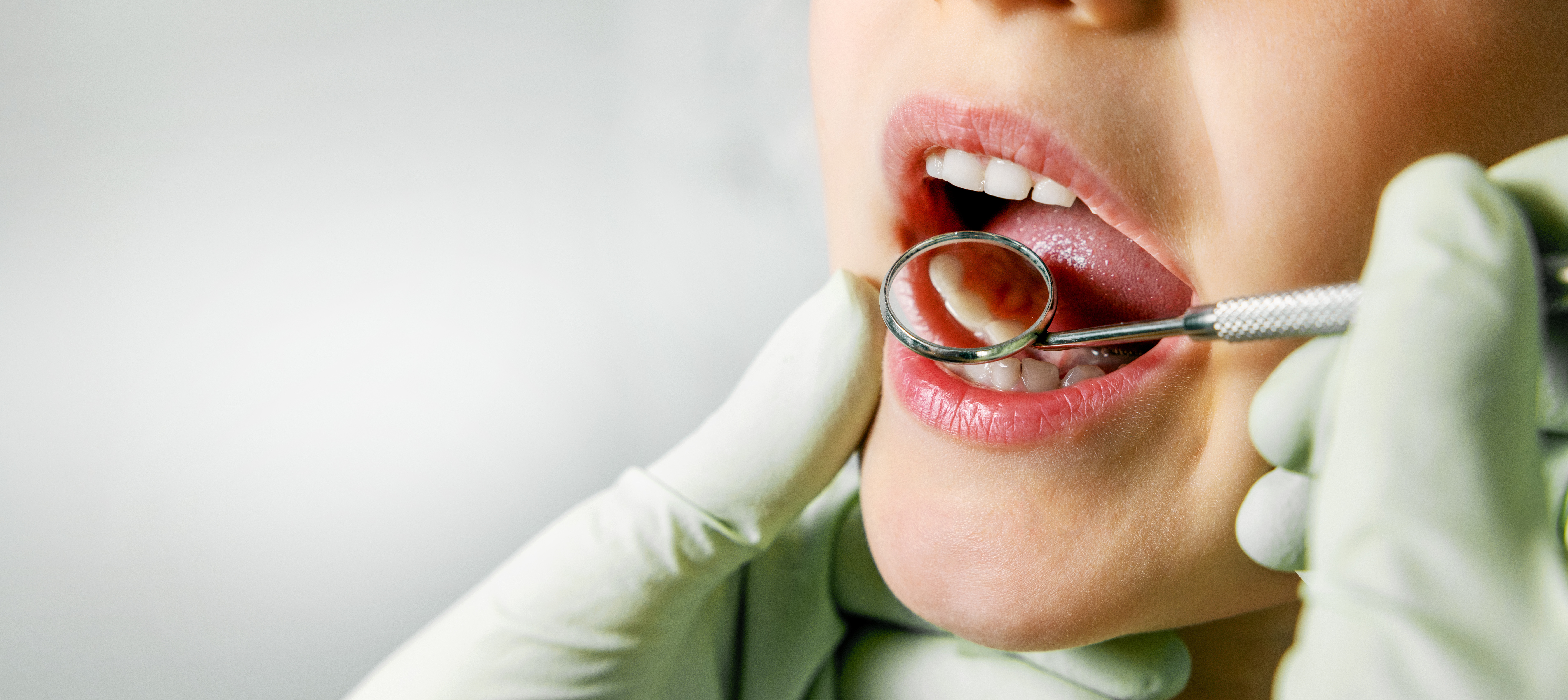
The initial dental appointment for young children typically focuses more on creating a positive experience than on extensive examination or treatment. The dental team understands that building trust and comfort takes priority, especially for very young patients. Most first visits last about 30 minutes and include several key components designed to introduce the child to the dental environment gently.
The dentist or hygienist will examine the child’s mouth, checking for tooth decay, examining the gums, and assessing bite and jaw development. For infants and toddlers, parents often hold their child in their lap during the examination, creating a sense of security. The dental professional may count teeth, gently clean them, and apply fluoride if appropriate for the child’s age and risk factors.
Guidance and Education
First visits provide valuable opportunities for parents to receive personalized guidance on caring for their child’s teeth. The dental team can answer questions about teething, appropriate toothpaste amounts, proper brushing techniques, diet and nutrition as they relate to oral health, and when to discontinue pacifier use or thumb sucking. Parents learn what to expect as more teeth erupt and receive recommendations for establishing effective home care routines.
Creating Positive Associations
Making the first dental visit enjoyable helps children develop positive attitudes toward oral health care. Many pediatric dental offices, including Guadalupe Pediatric Dentistry, design their spaces specifically with children in mind, featuring bright colors, engaging decorations, and kid-friendly amenities that make visits feel less clinical and more welcoming.
Scheduling appointments during times when children typically feel their best, such as mid-morning after breakfast and a nap, can prevent crankiness that makes cooperation difficult. Bringing a favorite toy or comfort item provides reassurance in an unfamiliar setting. After the visit, praising the child for their cooperation and potentially offering a small reward like extra storytime reinforces that dental visits are positive experiences.
Overcoming Dental Anxiety
Some children experience anxiety about dental visits despite careful preparation. This reaction is normal and does not reflect poorly on parenting efforts. Remaining calm and confident yourself helps, as children often take emotional cues from their parents. If a parent displays nervousness or makes apologetic comments, children may sense that something worrying is about to happen.
For children showing significant fear, pediatric dentists have numerous strategies to help them feel comfortable. These might include showing and explaining instruments before using them, letting children hold a mirror to watch, taking frequent breaks, or using behavior guidance techniques specifically designed for anxious young patients. Building trust takes time, and dental professionals understand that some children need multiple short visits before feeling fully comfortable with examinations and treatment.
Establishing a Dental Home
Creating a dental home, meaning a consistent relationship with one dental practice, provides continuity of care that benefits both oral health and comfort levels. When children see familiar faces and return to a known environment, each visit becomes easier than the last. The dental team develops an understanding of each child’s personality, needs, and any special considerations that should be accommodated.
Regular dental visits every six months allow for early detection of potential problems when they are easiest to address. Cavities caught early often require less extensive treatment, and developmental issues can be monitored or corrected before they affect permanent teeth.
Trust Guadalupe Pediatric Dentistry for Gentle First Visits
Dr. Kit Crumpton and the experienced team at Guadalupe Pediatric Dentistry understand that first impressions matter tremendously when it comes to children’s dental care. The practice creates a welcoming, child-friendly environment where young patients feel comfortable and safe from their very first visit. With gentle techniques, patient explanations, and a genuine love for working with children, the team helps families throughout the Seguin area establish positive dental care patterns that last a lifetime.
Contact Guadalupe Pediatric Dentistry to schedule your child’s first dental visit or to learn more about creating positive early dental experiences. The practice welcomes new patients and looks forward to partnering with your family to ensure your child develops a healthy, beautiful smile through expert pediatric dental care and preventive guidance tailored to each child’s unique needs.