
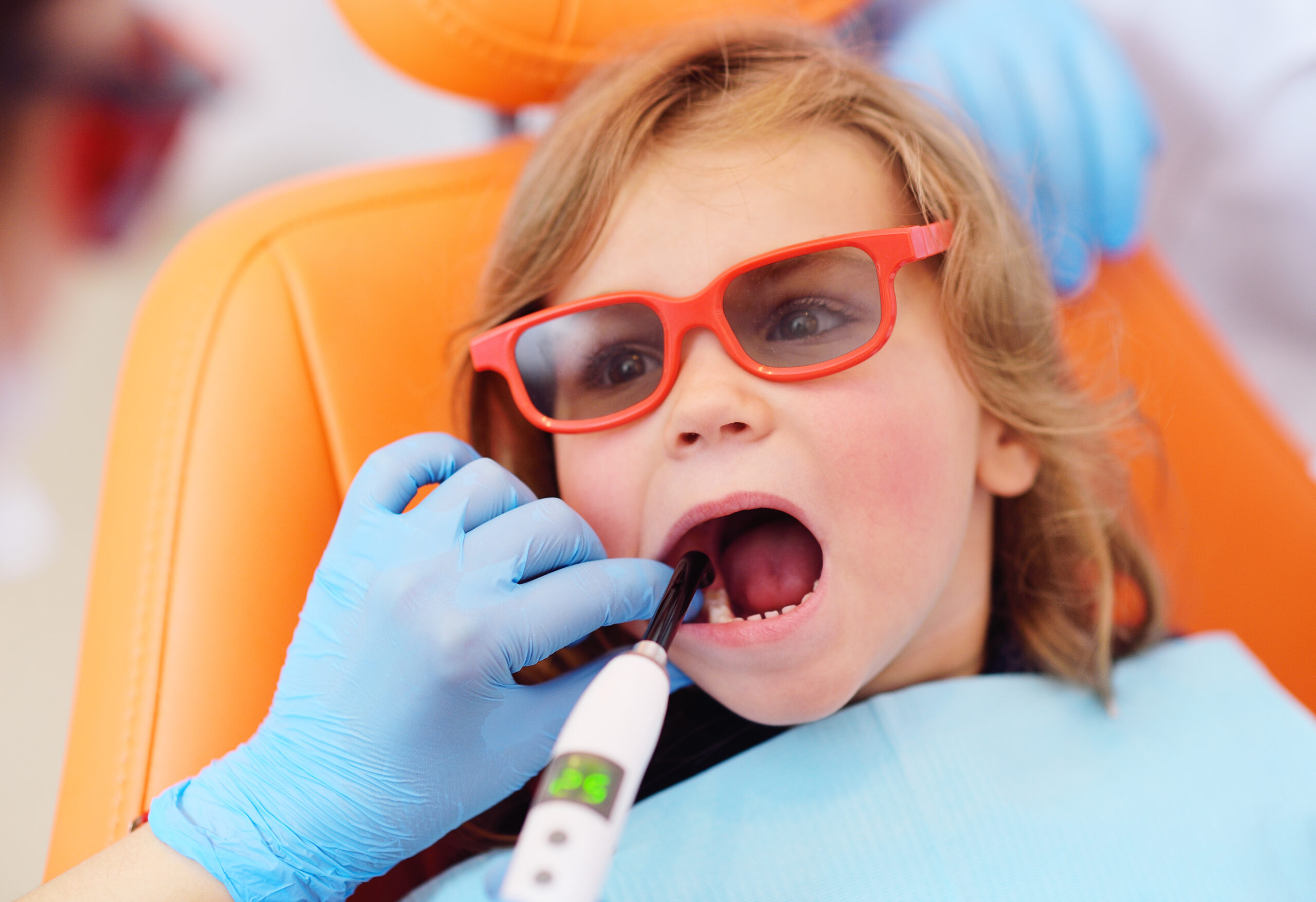
Watching your child struggle during a dental visit because bright lights feel too harsh, sounds seem too loud, or the sensation of instruments in their mouth creates overwhelming discomfort that can break a parent’s heart. If your child has sensory processing disorder, you already know how everyday experiences that others find manageable can feel intolerable to your little one. The dental office, with its unique sights, sounds, textures, and smells, presents particular challenges for children whose nervous systems process sensory information differently.
Special needs dentistry focuses on creating positive dental experiences for all children, including those with sensory sensitivities. With the right approach, understanding, and accommodations, children with sensory processing disorders can receive excellent dental care in an environment that respects their unique needs. Many families in Seguin have discovered that finding a pediatric dentist trained in treating children with sensory challenges makes all the difference.
Sensory Accommodations That Make a Difference
Pediatric dentists experienced in treating children with sensory processing disorders can modify the dental environment and appointment structure to reduce sensory overwhelm. These accommodations help your child feel more comfortable and make successful treatment much more likely.
Visual accommodations address the bright lights and unfamiliar sights that can distract or upset sensitive children. Your child might wear sunglasses during their appointment to reduce the intensity of the overhead dental light. Some dental offices offer dimmer lighting options or allow children to focus on a preferred object or screen during treatment. Showing your child pictures of the dental tools beforehand helps them know what to expect, reducing anxiety about the unknown.
Auditory modifications help children who find dental sounds distressing. Noise-canceling headphones or earbuds playing your child’s favorite music, audiobook, or white noise can mask the sounds of dental equipment. Some children benefit from a quiet countdown before the dentist uses louder tools, giving them a chance to prepare mentally for the sound. Preparing your child for their dental visit includes discussing which sounds might occur and planning how to manage them.
Tactile accommodations address the mouth sensations that many children with sensory processing disorder find particularly difficult. Gradually introducing textures and sensations through desensitization exercises at home can help. Some children benefit from using a weighted blanket or compression vest during their appointment, providing comforting deep pressure that helps regulate their nervous system. The dentist might work more slowly, taking breaks to allow your child to process the sensations they’re experiencing.
Creating a Step-by-Step Approach to Dental Visits
Children with sensory processing disorder often succeed with a gradual, predictable approach to dental care. Rather than expecting a child to tolerate a full cleaning and exam on the first visit, many pediatric dentists build up to treatment over several appointments.
Your child’s first visit might involve simply touring the office, sitting in the dental chair for a few seconds, and meeting the dental team. The second visit might add looking in your child’s mouth with a small mirror. Subsequent visits gradually introduce new sensations: the feel of gloved fingers, the taste of fluoride, the sensation of a toothbrush or polisher. This step-by-step method, sometimes called “tell-show-do,” allows your child to build tolerance for dental experiences without becoming overwhelmed.
Consistency matters tremendously for children with sensory challenges. Seeing the same dental team members, scheduling appointments at the same time of day when your child feels most regulated, and following the same routine each visit all contribute to success. Many families find morning appointments work best, before their child becomes tired or overstimulated by the day’s activities.
Communication Strategies for Successful Dental Visits
Clear communication between parents, dental professionals, and the child creates the foundation for successful dental treatment. Your pediatric dentist needs detailed information about your child’s specific sensory triggers, calming strategies that work, and any previous dental experiences that went particularly well or poorly.
Share what you know about your child’s sensory profile with the dental team:
- Sensory sensitivities: Which sensory inputs (lights, sounds, tastes, textures, smells) cause the most distress for your child?
- Calming techniques: What strategies help your child self-regulate when becoming overwhelmed (deep pressure, music, fidget tools, verbal countdowns)?
- Communication style: How does your child best receive and process information (verbal instructions, visual demonstrations, written schedules)?
- Previous experiences: Which past dental or medical appointments went well, and what made them successful?
- Reward systems: What motivates your child and helps them work toward a goal?
Many children with sensory processing disorder also have communication challenges. If your child is non-verbal or has limited verbal communication, establish clear signals for “I need a break” before the appointment begins. This might be raising a hand, pressing a buzzer, or another simple gesture. Knowing they can pause the appointment when needed gives children a sense of control that reduces anxiety.
Finding the Right Pediatric Dentist For Your Child
Not all dental practices have experience treating children with sensory processing disorders, and finding the right fit makes an enormous difference in your child’s dental care journey. Look for a board-certified pediatric dentist who specifically mentions training or experience with special needs patients and sensory sensitivities.
Ask potential dental offices about their approach to sensory accommodations. Do they offer pre-visit tours? Can they schedule longer appointments to allow for breaks? Are they willing to work gradually rather than expecting full treatment on the first visit? The dental team’s patience, flexibility, and genuine understanding of sensory challenges will determine whether your child can succeed in their care.
Comprehensive Special Needs Dental Care at Guadalupe Kids Dental
Dr. Kit Bennion and the team at Guadalupe Kids Dental bring extensive training and experience in treating children with sensory processing disorders and other special needs. As a board-certified pediatric dentist, Dr. Bennion received specialized training in managing medically complex pediatric patients and understands the unique challenges families face when their children have sensory sensitivities. Our practice creates individualized treatment plans that respect each child’s sensory profile and work at a pace that allows them to succeed.
We welcome children of all abilities and work closely with families to develop strategies that make dental visits positive experiences. From environmental modifications to gradual exposure approaches to sedation options when needed, we provide comprehensive care tailored to your child’s unique needs. Contact our Seguin office to discuss how we can support your child’s dental health while respecting their sensory challenges.