If your child needs dental work but feels nervous about the appointment, you’re not alone in wondering what might help them feel more comfortable. Many parents in Seguin worry about their children experiencing anxiety during dental procedures, especially if past visits have been difficult or if their child has sensory sensitivities. The good news is that modern pediatric dentistry offers several sedation options designed to help children relax while receiving the care they need.
Dental sedation for children creates a calmer, more positive experience during dental procedures. Your child’s comfort level, the complexity of the treatment, and their individual needs all play a role in determining which sedation approach works best. Understanding your options helps you feel confident about the choices you make for your child’s dental care.
Nitrous Oxide: A Gentle Introduction to Sedation
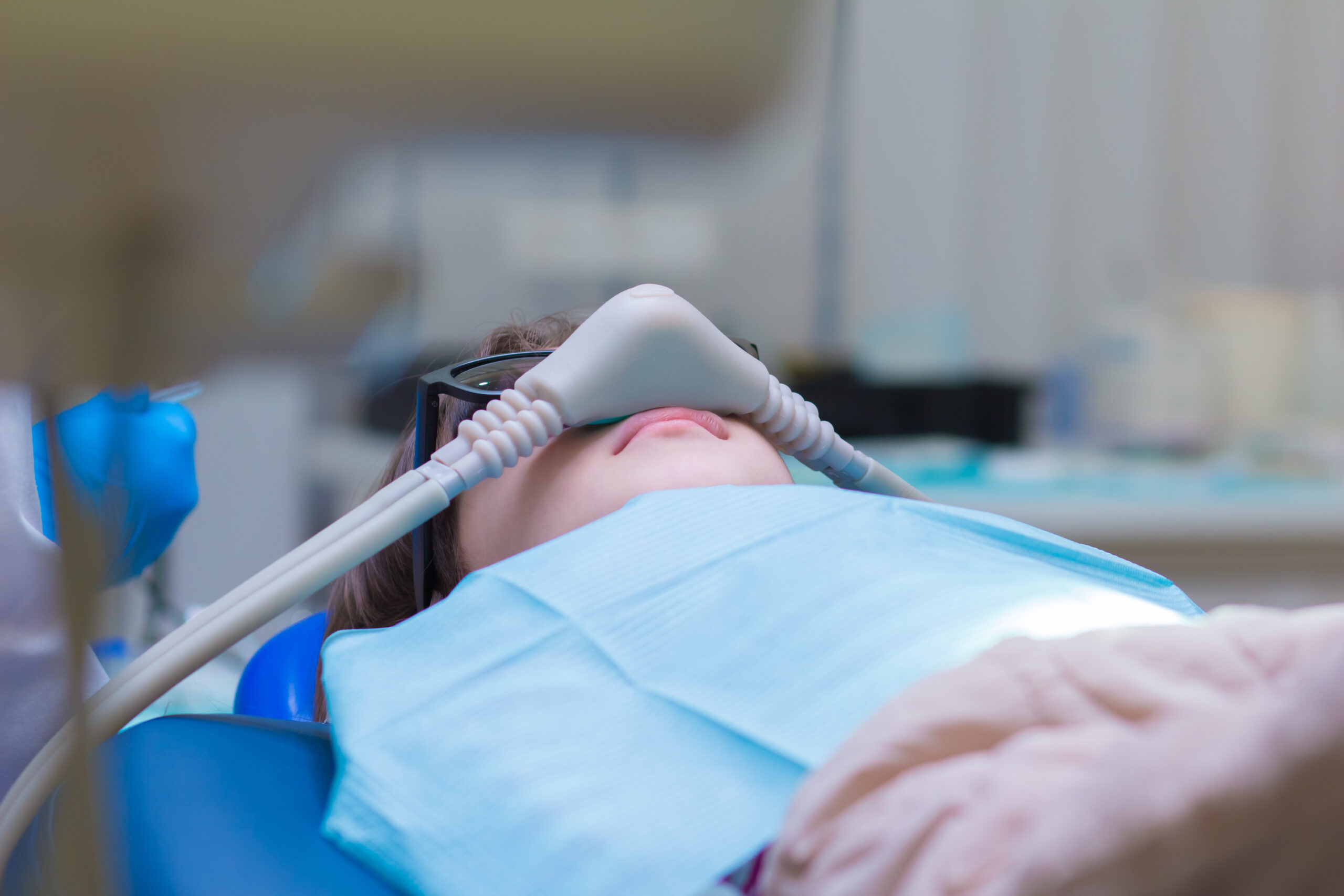
Nitrous oxide, commonly called laughing gas, remains one of the most popular sedation methods in pediatric dentistry. Children breathe the gas through a small mask placed over their nose, and within minutes, they begin to feel relaxed and calm. The beauty of nitrous oxide lies in its gentleness, your child stays awake and aware throughout the procedure but feels significantly less anxious about what’s happening.
The effects wear off quickly once the mask is removed, usually within just a few minutes. This means your child can return to normal activities right after their appointment without the grogginess that sometimes comes with other sedation methods. Parents appreciate that nitrous oxide doesn’t require fasting beforehand, making morning appointments easier to manage. The gas creates a pleasant, floating sensation that helps children cooperate during procedures they might otherwise find stressful.
Oral Sedation: Deeper Relaxation for Anxious Children
Oral sedation involves medication your child takes by mouth, typically about an hour before their dental appointment. This option provides a deeper level of relaxation than nitrous oxide while still allowing most children to remain awake during their treatment. The medication makes children feel drowsy and very calm, though they can usually respond to questions and follow simple instructions.
Your child will need supervision before and after the appointment since the medication affects their balance and coordination. Many children don’t remember much about the procedure afterward, which can be helpful for those with significant dental anxiety. The effects last longer than nitrous oxide, so plan for your child to rest at home for several hours following their appointment. Preparing your child for their dental visit becomes easier when you understand what to expect with oral sedation.
IV Sedation: Comprehensive Care for Complex Cases
IV sedation delivers medication directly into the bloodstream through a small needle placed in your child’s arm or hand. This approach provides a deeper level of sedation than oral medication and allows the pediatric dentist to adjust the sedation level throughout the procedure. Children typically fall into a sleep-like state, though they may still respond to stimulation.
A trained professional monitors your child’s vital signs continuously during IV sedation to ensure their safety. This option works well for lengthy procedures, very anxious children, or children with special needs who benefit from deeper sedation. Your child will need several hours to recover from IV sedation, and they won’t remember the dental procedure. Many families find this option especially helpful when multiple treatments need to happen in one appointment.
General Anesthesia: The Deepest Level of Sedation
General anesthesia puts your child into a completely unconscious state, similar to what happens during surgery. A board-certified anesthesiologist administers and monitors the anesthesia while the pediatric dentist performs the necessary dental work. Your child won’t feel anything, won’t remember the procedure, and won’t move during treatment.
This option typically happens in a hospital setting or a dental office equipped with specialized monitoring equipment. General anesthesia makes sense for very young children, extensive dental work, severe dental anxiety, or situations where other sedation methods haven’t worked well. The recovery takes several hours, and your child needs close supervision as they wake up. While this represents the most involved sedation option, it allows children who need significant dental treatment to receive comprehensive care in a single visit.
Choosing the Right Sedation for Your Child
Every child responds differently to dental procedures, and no single sedation option works perfectly for everyone. Your child’s age, medical history, anxiety level, and the planned dental work all influence which sedation method makes the most sense. Some children do wonderfully with just nitrous oxide, while others need deeper sedation to feel comfortable and safe.
Have an honest conversation with your pediatric dentist about your child’s specific needs and your concerns as a parent. Several factors help determine the best sedation choice:
- Your child’s age and ability to cooperate: Younger children or those who struggle to sit still may benefit from deeper sedation options.
- The complexity and length of the procedure: Simple cleanings rarely need sedation, while multiple fillings or extractions might require it.
- Past dental experiences: Children with negative memories of dental visits often feel more comfortable with sedation.
- Medical conditions or special needs: Some children require accommodations that make sedation the safer, more comfortable choice.
- Your child’s anxiety level: The intensity of your child’s fear plays a significant role in determining which approach works best.
Your dentist can explain which sedation options they offer and help you understand the benefits and considerations of each approach for your child’s situation.
Safety Considerations Parents Should Know About Dental Sedation
Pediatric dentists receive specialized training in sedation techniques and monitor children carefully throughout sedated procedures. Modern sedation medications have excellent safety records when administered by qualified professionals. Your dental team will check your child’s vital signs regularly and have emergency equipment available, though serious complications remain extremely rare.
Before any sedation appointment, your dentist will review your child’s medical history and current medications to identify any potential concerns. You’ll receive detailed instructions about eating and drinking before the appointment, which medications to give or avoid, and what to expect during recovery. Following these guidelines carefully helps ensure your child’s safety and comfort. If your child has a complex medical history or takes certain medications, additional precautions may be necessary.
What to Expect After Sedation
Recovery varies depending on which sedation method your child receives. Nitrous oxide wears off within minutes, allowing children to return to school or other activities right away. Oral sedation and IV sedation require several hours of rest at home, with someone watching your child as the medication wears off. General anesthesia needs the longest recovery time, sometimes affecting children for the rest of the day.
Your child may feel tired, slightly dizzy, or nauseous as the sedation wears off. These feelings are normal and temporary. Offering bland foods and plenty of water helps children feel better as they recover. Some children act silly or emotional when waking up from deeper sedation—this reaction is harmless and passes quickly. Your dental team will explain specific recovery instructions based on the sedation your child receives.
Creating Positive Dental Experiences at Guadalupe Kids Dental
Dr. Kit Bennion and the team at Guadalupe Kids Dental understand that every child deserves to feel safe and comfortable during dental care. We offer multiple sedation options and take time to discuss which approach best fits your child’s needs. Our board-certified pediatric dentist has extensive training in sedation techniques and creates a welcoming environment where children and families feel supported throughout their dental journey.
Whether your child needs routine preventive care or more complex treatment, we work with you to make dental visits positive experiences. Our practice welcomes children of all abilities and temperaments, including those with special needs or significant dental anxiety. Contact our Seguin office to discuss your child’s dental care needs and learn more about our sedation options.