Your Child's Smile Can't Wait
For Emergencies, Call (830) 209-7262
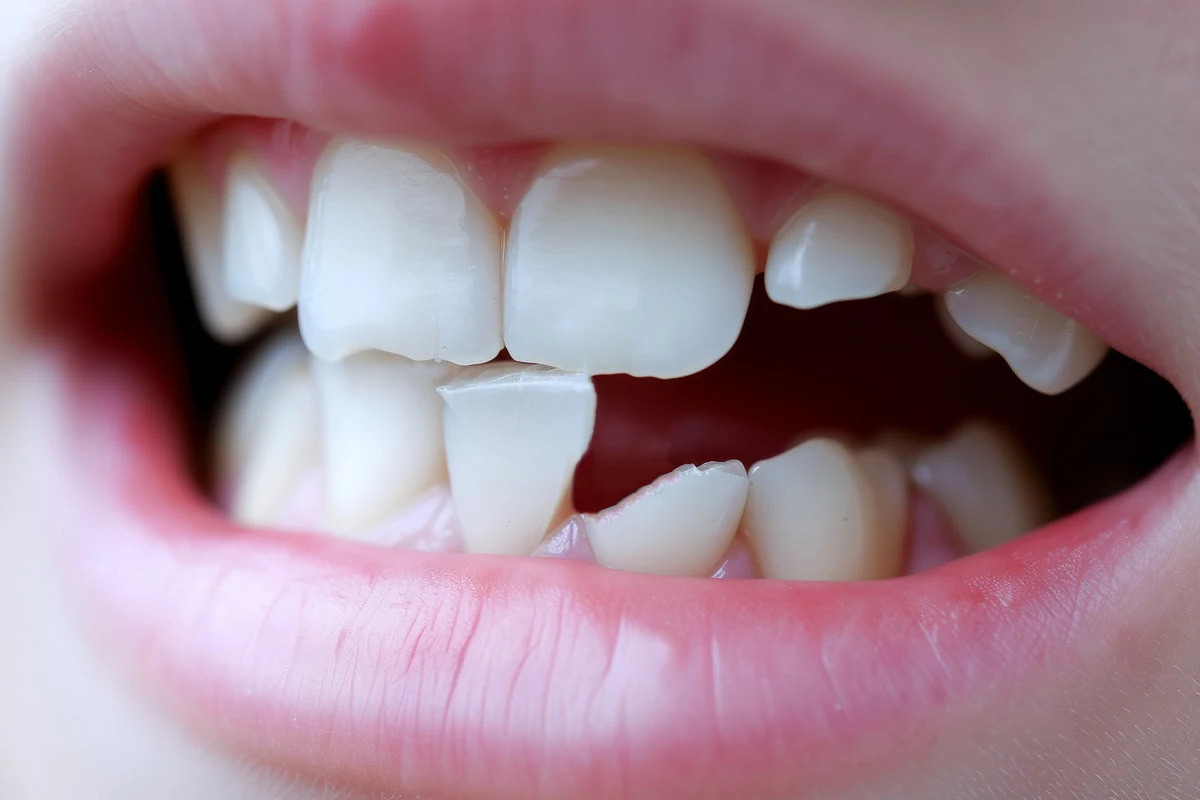
A chipped or broken tooth can turn an ordinary afternoon at the park into a moment that leaves parents unsure of exactly what to do next. The good news is that knowing a few basic first-aid steps ahead of time can make a real difference in keeping your child calm and protecting their smile while you get them to the dentist.
At Guadalupe Kids Dental in Seguin, Texas, we help families navigate pediatric dental emergencies with confidence and care. Our team provides dental trauma treatment for children throughout Seguin and the surrounding communities, and we understand that when an injury happens, parents need clear guidance fast.
Why Dental Trauma in Children Is More Common Than You Think
Tooth fractures are one of the most frequently seen pediatric dental injuries, and they happen across a wide range of everyday situations. Falls, playground collisions, sports accidents, and even biting into something unexpectedly hard can all result in a chipped or broken tooth. According to the International Association of Dental Traumatology guidelines, endorsed by the American Academy of Pediatric Dentistry, crown fractures and luxations represent the most commonly occurring of all dental injuries in children and young adults.
Understanding this helps take some of the shock out of the moment. Dental injuries happen to children across all ages, and with the right response, most can be treated effectively with excellent outcomes.
What to Do in the First Few Minutes
When a dental injury happens, the steps you take in the minutes before reaching us can make a meaningful difference. Here is what to do.
A broken or chipped tooth always warrants a call to your pediatric dentist, even when the injury looks minor. Some damage extends further than what is visible, and prompt evaluation through emergency pediatric dental care ensures your child gets the right treatment before complications develop.
How We Treat Broken and Chipped Teeth
Treatment depends on which tooth is affected, how much of the tooth is involved, and whether the inner layers have been reached by the fracture.

Questions About Your Child's Dental Health? test
Dr. Kit Bennion is here to help.
Every treatment decision is made with your child’s comfort, long-term oral health, and natural development in mind. Primary teeth and permanent teeth are treated differently based on their role and stage of development, and we always walk you through what we recommend and why before any restorative treatment begins.
Keeping Your Child Comfortable in the Meantime
While waiting for your appointment, soft and cool foods work best. Yogurt, applesauce, smoothies, and ice cream are all good options that minimize chewing and avoid irritating the injured area. Ask your child to chew on the opposite side of their mouth if possible. If the edge of the chipped tooth is sharp enough to irritate their cheek or tongue, dental wax from a pharmacy can temporarily cover the rough area.
Rinsing gently with warm salt water can help keep the area clean. Skip very hot foods and drinks since temperature sensitivity is common after dental trauma.
Trusted Pediatric Emergency Care in Seguin
Dr. Kristopher Bennion is a board-certified pediatric dentist who completed his residency training at the Children’s Hospital of Philadelphia and the University of Pennsylvania. His extensive background in treating medically complex pediatric patients and managing dental trauma means your child is in experienced, compassionate hands when accidents happen. Our whole team is trained to help nervous kids feel safe, and we move quickly to relieve pain and stabilize the tooth.
If your child has chipped or broken a tooth, do not wait to see how it feels tomorrow. Contact our office right away so we can get your family in as soon as possible and make sure your child’s smile is protected.