
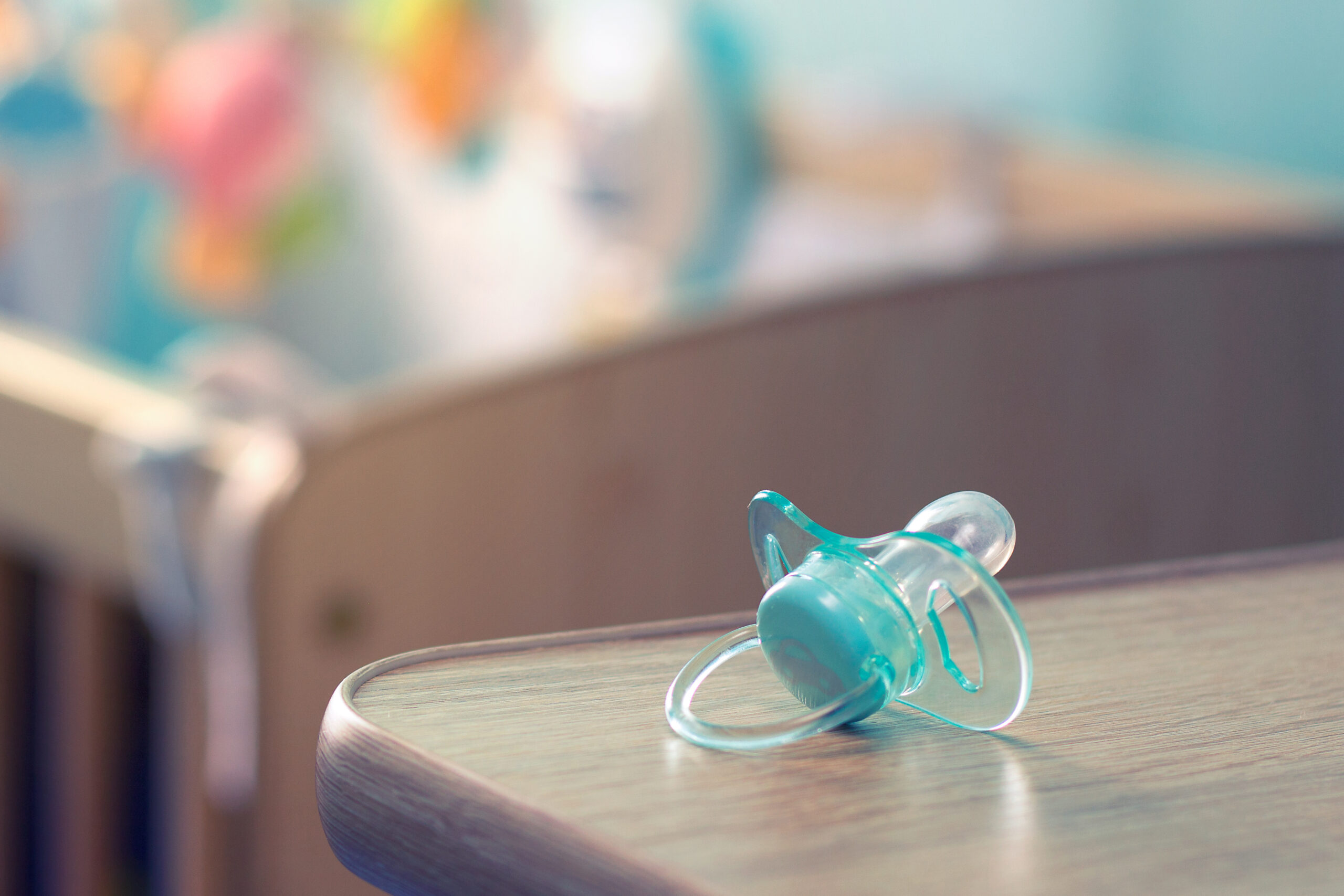

Thumb sucking and pacifier use represent natural, instinctive behaviors that provide comfort and security for infants and young children. While these habits serve important developmental purposes during the earliest years, prolonged sucking behaviors can create lasting effects on dental development, jaw alignment, and overall oral health as children grow.
At Guadalupe Pediatric Dentistry, Dr. Kit Bennion and the experienced team help families in Seguin understand how common childhood habits affect dental health and provide guidance on appropriate timing and strategies for transitioning away from pacifiers and thumb sucking. With a focus on preventive care and gentle support, the practice works closely with parents to ensure healthy dental development for every child.
Understanding the Sucking Reflex
The sucking reflex develops before birth and serves as one of the most fundamental survival instincts for newborns. This natural behavior helps infants feed, self-soothe, and find comfort during stressful or overwhelming moments. Many babies begin sucking their thumbs while still in the womb, and this behavior continues throughout infancy as a normal part of development.
During the first years of life, sucking provides numerous benefits beyond nutrition. It helps babies regulate their emotions, manage stress, and transition between sleep cycles. The act of sucking releases calming hormones that help infants feel secure and content, making pacifiers and thumbs valuable tools for both children and exhausted parents seeking rest.
When Sucking Becomes a Concern
Most children naturally discontinue thumb sucking and pacifier use between ages two and four as they develop other coping mechanisms and become more socially aware. According to the American Association of Orthodontists, bone changes from prolonged sucking can become noticeable as early as 18 months of age, though significant dental problems typically develop only when the habit continues beyond age three or four. The intensity, frequency, and duration of the sucking behavior all influence whether and how severely teeth and jaw development will be affected.
Dental Problems Caused by Prolonged Sucking
When children continue thumb sucking or pacifier use past the toddler years, the constant pressure against developing teeth and the roof of the mouth can alter the natural growth pattern of oral structures. The specific dental problems that may develop depend on multiple factors, including how vigorously the child sucks, the position of the thumb or pacifier in the mouth, and how many hours per day the habit occurs.
Anterior open bite represents one of the most common complications from prolonged sucking habits. This condition occurs when the front upper and lower teeth do not touch when the mouth is closed, even though the back teeth meet normally. The gap between the front teeth makes biting into foods like apples or sandwiches difficult and can affect speech development, particularly sounds that require the tongue to touch the front teeth.
Protruding Front Teeth and Overbite
Continuous pressure from a thumb or pacifier can push the upper front teeth forward, causing them to protrude or stick out. These protruding teeth may make it difficult for children to close their lips comfortably, potentially affecting facial appearance and increasing the risk of injury during falls or accidents. Severe protrusion can also contribute to speech difficulties and self-consciousness about appearance.
An overbite, where the upper front teeth overlap the lower teeth excessively, commonly develops when children maintain sucking habits into their preschool years. This misalignment affects how the front teeth function together and may require orthodontic intervention to correct.
Effects on Jaw and Palate Development
Beyond individual teeth, prolonged sucking behaviors influence the development of the entire orofacial complex, including the jaw, facial muscles, and palate. The constant pressure affects how these structures grow and position themselves during the critical early childhood years when rapid development occurs.
Posterior crossbite can develop when the upper jaw becomes narrower than it should be relative to the lower jaw. This misalignment causes the upper teeth to fit inside the lower teeth on one or both sides of the mouth. If left untreated, crossbite may cause the jaw to shift to one side, potentially leading to asymmetrical facial growth and long-term bite problems.
The palate, or roof of the mouth, may also be affected by aggressive or prolonged sucking. The repeated pressure against this developing structure can alter its shape, potentially creating a high, narrow palate that affects both dental alignment and nasal breathing patterns.
Speech and Functional Concerns
The dental changes that result from prolonged thumb sucking and pacifier use often extend beyond aesthetics to affect important functions like eating and speaking. Children with open bites or severely protruding teeth may struggle to bite through certain foods, limiting their diet or making mealtimes frustrating.
Speech development can be particularly affected when dental misalignment interferes with proper tongue placement during sound production. The tongue may push forward through an open bite when children speak, contributing to lisps or difficulties pronouncing specific sounds, especially S, Z, L, and R. Additionally, infants who excessively rely on pacifiers or thumbs may miss important opportunities during the babbling stage to practice forming different sounds and exercising the facial muscles needed for clear speech.

Questions About Your Child's Dental Health? test
Dr. Kit Bennion is here to help.
Pacifiers Versus Thumb Sucking
Parents often wonder whether pacifiers or thumb sucking cause more or less dental damage. Both habits create similar risks for dental problems when continued beyond the appropriate age. However, dental professionals and pediatricians typically prefer pacifiers to thumb sucking for one important reason: parents can control pacifier use by removing it or limiting when it is available, while a thumb remains constantly accessible.
Orthodontic pacifiers, designed with a flatter nipple shape intended to reduce pressure on developing teeth, are marketed as safer alternatives to conventional round pacifiers. While these specially designed pacifiers may cause somewhat fewer dental issues than traditional versions, research does not conclusively demonstrate that they prevent problems entirely. Regardless of pacifier type, timely weaning remains the most important factor in protecting dental development.
When to Stop the Habit
The American Academy of Pediatric Dentistry recommends that parents work to discourage pacifier use and thumb sucking by age three. If these habits continue beyond age four, when permanent teeth begin developing beneath the gums, the risk of lasting orthodontic problems increases significantly. Research demonstrates that children who discontinue sucking habits by 24 months show far fewer dental problems than those who continue until age four or beyond.
Some dental changes from early sucking habits may naturally correct themselves if children stop before permanent teeth erupt. The earlier the habit ends, the better chance teeth and jaws have to return to their proper positions without intervention. However, problems that persist into the permanent dentition stage typically require orthodontic treatment to correct.
Strategies for Breaking the Habit
Helping children discontinue thumb sucking or pacifier use requires patience, consistency, and positive reinforcement. Harsh criticism, punishment, or shaming typically backfires by creating anxiety that may actually strengthen the child’s reliance on these comfort mechanisms. Instead, parents should approach the transition with understanding and gentle encouragement.
For children using pacifiers, gradually limiting when and where the pacifier is available helps ease the transition. Parents might restrict use to naptime and bedtime initially, then eliminate it entirely. Cutting the pacifier tip reduces the satisfying suction sensation, sometimes encouraging children to lose interest on their own.
Positive Reinforcement Approaches
Praise and rewards for time spent not sucking thumbs or using pacifiers work better than negative attention focused on the habit. Charts tracking progress, small rewards for successful days, and gentle reminders rather than scolding help children feel supported in their efforts to stop.
For persistent thumb sucking, bitter-tasting nail polish designed specifically for this purpose can serve as a reminder without causing harm. Some parents use bandages or finger guards, particularly at night when children unconsciously suck their thumbs while sleeping.
Professional Intervention Options
When parents have tried multiple strategies without success and the child continues sucking habits beyond age four, consulting with a pediatric dentist becomes important. Dental professionals can assess whether any orthodontic problems have developed and recommend appropriate interventions.
For particularly resistant habits, dentists may suggest a specialized appliance called a palatal crib or habit-breaking appliance. This fixed device attaches to the upper back teeth and features small bars that make thumb sucking uncomfortable without causing harm. These appliances serve as constant reminders and help children break the habit when other methods have failed.
Regular Monitoring and Early Intervention
Bringing children for dental checkups starting by their first birthday allows pediatric dentists to monitor oral development and identify potential problems early. Regular visits provide opportunities for professionals to discuss age-appropriate habit cessation with families and offer personalized guidance based on each child’s specific situation and developmental stage.
Early intervention, when problems are first identified, often prevents more extensive treatment later. Dentists can track how teeth are erupting, assess jaw growth patterns, and determine whether any concerning changes are developing that might require orthodontic evaluation.
Partner with Guadalupe Pediatric Dentistry for Healthy Dental Development
Dr. Kit Bennion and the compassionate team at Guadalupe Pediatric Dentistry understand that helping children transition away from pacifiers and thumb sucking can be challenging for families. The practice takes a supportive, non-judgmental approach to discussing these common childhood habits and provides practical strategies tailored to each family’s unique circumstances. With extensive experience helping children throughout Seguin develop healthy smiles, the team monitors dental development closely during regular checkups and offers guidance when concerns arise.
Contact Guadalupe Pediatric Dentistry to schedule an appointment or discuss concerns about your child’s thumb sucking or pacifier use. The practice welcomes questions during routine visits and provides comprehensive pediatric dental care focused on prevention and gentle intervention when needed. Every child deserves a healthy, beautiful smile, and the team is committed to supporting families at every stage of their