Dental visits can feel like a big hurdle for children who struggle with fear, sensory sensitivities, or behavioral challenges. When a child has difficulty staying still or managing the stress of treatment, getting the care their smile needs becomes a challenge for the whole family. The good news is that pediatric dentistry has come a long way, and there are safe, gentle options designed to help every child get through their appointment comfortably and calmly.
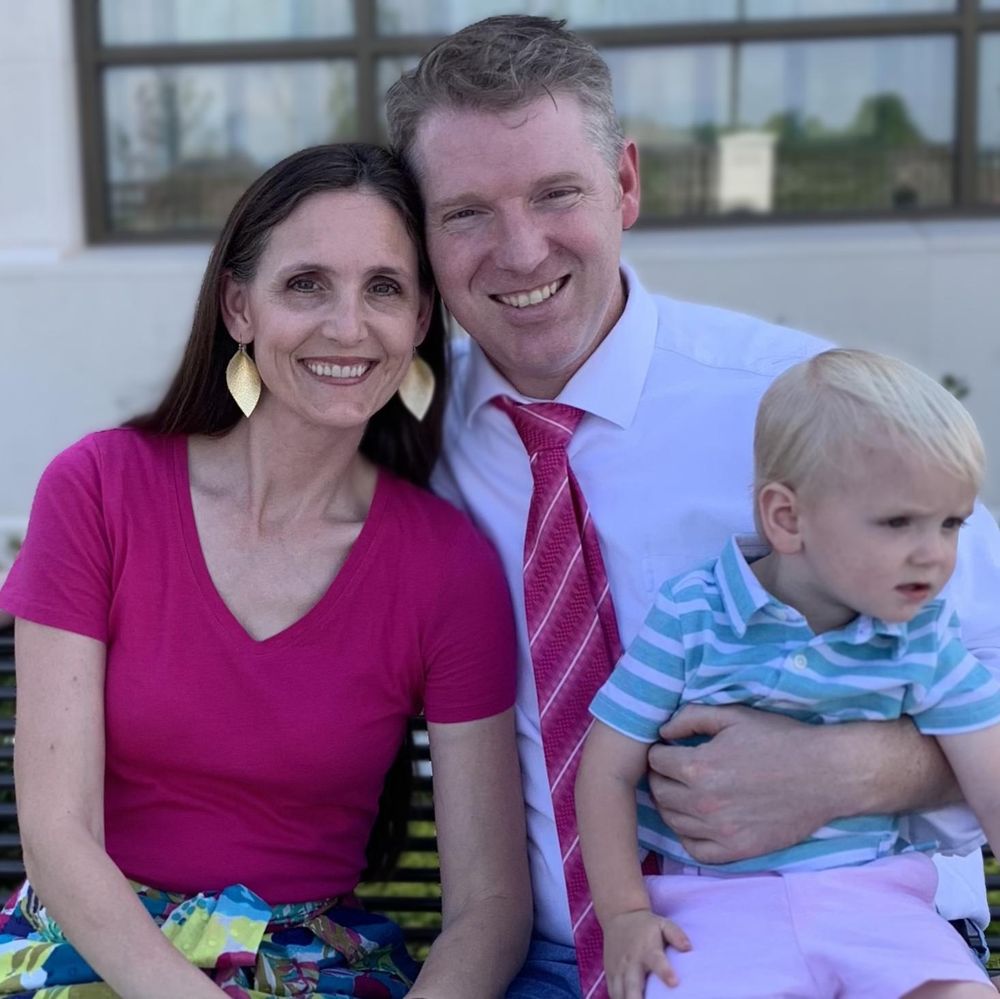
At Guadalupe Kids Dental in Seguin, Texas, we understand how much parents worry when their child has a hard time at the dentist. Our board-certified pediatric dentist, Dr. Kristopher “Kit” Bennion, trained at the Children’s Hospital of Philadelphia and brings deep experience working with children of all temperament levels and needs. We offer sedation dentistry tailored to your child, so treatment can happen safely and without unnecessary stress. Families from across the region, including Geronimo, Marion, New Braunfels, Gonzales, Kingsbury, Stockdale, Avery Park, and Navarro Ranch, count on us for compassionate, child-centered care.
Why Some Children Benefit from Sedation
Not every child who needs sedation is uncooperative. Many kids experience genuine anxiety, sensory processing differences, or developmental conditions that make it difficult to sit through even a routine cleaning. For these children, sedation is not a last resort. It is a thoughtful, evidence-based tool that allows treatment to happen safely while keeping the child relaxed and comfortable throughout the visit.
The American Academy of Pediatric Dentistry’s behavior guidance best practices recognize both nonpharmacological and pharmacological techniques as appropriate tools for managing anxiety and ensuring quality dental care for children with special health care needs. Matching the right approach to each child is central to good pediatric dental care.
Recognizing When Sedation Is the Right Choice
Behavioral challenges take many forms. A child may have autism spectrum disorder, ADHD, severe dental anxiety, or simply a strong gag reflex that makes certain procedures very difficult. When communication techniques and distraction strategies alone are not enough to keep a child comfortable, sedation can make all the difference. We evaluate each child individually, taking into account their age, medical history, treatment needs, and temperament before recommending any sedation option.
Types of Sedation We Offer
We offer several sedation options, and our team works closely with parents to determine which level is the right fit for their child’s needs.
Here is a look at the main approaches we use:
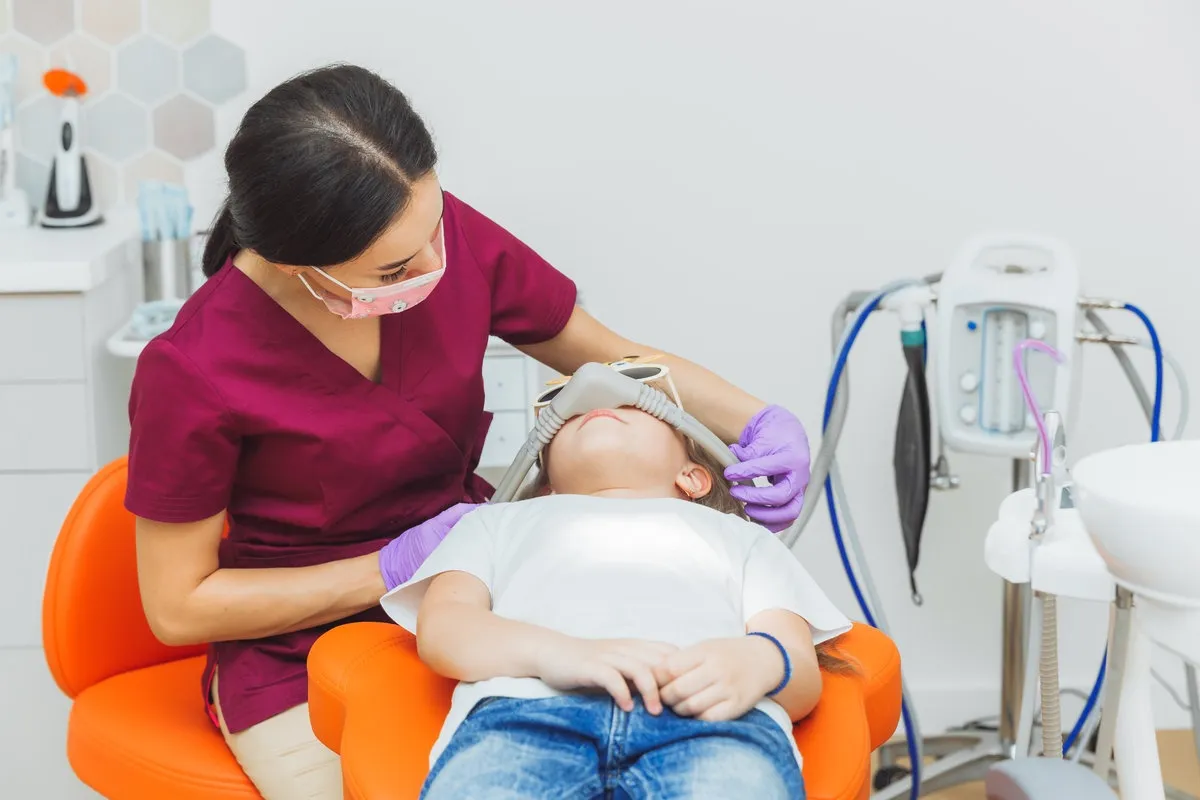
- Nitrous oxide (laughing gas): A mild, inhaled option delivered through a small mask over the nose. With nitrous oxide, children remain awake and can still respond and communicate. They often feel relaxed and at ease, which helps them get through the appointment without distress. The effects wear off quickly after the mask is removed.
- Oral sedation: Given as a liquid or pill before the appointment, oral sedation produces a deeper sense of calm. Children taking oral sedation typically stay awake but become very relaxed, making it easier for us to complete treatment safely and thoroughly.
- General anesthesia: For children who need extensive treatment or are unable to cooperate with lighter sedation methods, general anesthesia may be the most appropriate choice. This option is performed in a carefully controlled setting with full monitoring throughout.
Each of these options is selected based on what is safest and most effective for the individual child, not on a one-size-fits-all approach.
What Parents Should Know Before the Appointment
Preparation makes a meaningful difference. Before any sedation appointment, we walk parents through exactly what to expect, including any fasting instructions, what the child will experience, and how they will feel afterward. We never want families to arrive feeling uncertain or nervous.

Questions About Your Child's Dental Health? test
Dr. Kit Bennion is here to help.
Supporting Children with Special Needs
For children with conditions like autism, Down syndrome, or other developmental differences, dental care can present unique challenges. Our special needs dentistry services are designed specifically with these children in mind. We create a calm, predictable environment and take the extra time needed to help your child feel safe. We also offer needle-free dental treatment for children who are especially sensitive to injections, reducing one of the most common sources of fear and discomfort. Establishing regular preventive care early makes future visits easier, too, since familiarity with the office and the team helps children build confidence over time.
Schedule a Visit at Guadalupe Kids Dental
At Guadalupe Kids Dental, we believe every child deserves access to comfortable, stress-free dental care, regardless of the challenges they face. Dr. Bennion and our team take the time to truly understand each child before recommending a path forward. We accept most major insurance plans, including TMHP (Medicaid), and our team is happy to help families understand their coverage options before the appointment.
Whether your child has mild anxiety or significant behavioral challenges, we are here to help. Families throughout Seguin, New Braunfels, Gonzales, Marion, and the surrounding communities trust us to provide the kind of thoughtful, individualized care their kids deserve. To get started, schedule an appointment and let us show your family what gentle, patient-first pediatric dentistry looks like.
Frequently Asked Questions About Sedation Dentistry for Children
What types of sedation are available for children with dental anxiety?
Pediatric dental practices typically offer several levels of sedation matched to each child’s needs. Nitrous oxide, often called laughing gas, is the mildest option and helps children relax while staying awake and responsive. Oral sedation is a liquid or pill given before the appointment that creates a deeper sense of calm. For children who need extensive treatment or are unable to remain comfortable with lighter options, general anesthesia may be appropriate. The right choice depends on the child’s age, medical history, the procedures involved, and the nature of their anxiety or behavioral challenge.
Is dental sedation safe for children with developmental or behavioral challenges?
Yes, when provided by a board-certified pediatric dentist, sedation is considered safe for children with behavioral challenges including autism spectrum disorder, ADHD, and severe dental anxiety. Pediatric dentists follow evidence-based guidelines from the American Academy of Pediatric Dentistry, which outline appropriate sedation protocols for children with special health care needs. Before any sedation appointment, the dentist reviews the child’s full medical history, current medications, and treatment plan to select the safest and most appropriate approach for that individual child.
How do I know if my child needs sedation for their dental appointment?
Sedation may be a good option if your child has significant difficulty managing the stress of a dental visit, struggles to remain still for the time a procedure requires, has a strong gag reflex, or has been unable to complete treatment through behavioral guidance techniques alone. Children with developmental conditions, sensory sensitivities, or a history of difficult dental experiences are often good candidates. A pediatric dentist can evaluate your child’s specific needs during a consultation and discuss whether sedation is appropriate.
What should my child avoid eating before a sedation dentistry appointment?
Preparation instructions depend on the type of sedation your child will receive. General anesthesia and deeper forms of oral sedation typically require the child to avoid eating or drinking for a set period before the appointment, often beginning the night before. Your dental team will provide specific fasting instructions based on your child’s age and the sedation method planned. Following these guidelines closely is important for your child’s safety and helps ensure the procedure can proceed without delays.
Does insurance cover dental sedation for children?
Coverage varies by plan. Many insurance plans, including Medicaid programs like TMHP in Texas, provide some coverage for sedation when it is medically necessary and performed by a licensed provider. Coverage is more likely when the procedure cannot be safely completed without sedation. Our team can help families review their specific benefits and understand any out-of-pocket costs before the appointment, so there are no surprises on the day of the visit.
What can my family expect during recovery after a sedation dental visit?
Recovery time and aftercare depend on the type of sedation used. Children who receive nitrous oxide typically feel back to normal within minutes after the mask is removed and can resume regular activity the same day. Oral sedation may leave a child feeling drowsy for a few hours, so rest at home is recommended for the remainder of the day. After general anesthesia, children need more time to recover and must be monitored carefully. Your dental team will review all aftercare instructions with you before you leave the office and is available to answer questions during the recovery period.