For many families, a trip to the dentist is already a busy morning. For families raising a child with autism spectrum disorder (ASD), it can feel like navigating a completely different world, one filled with unpredictable sounds, unfamiliar faces, and sensory challenges that can make even a routine cleaning feel overwhelming. The good news is that with the right team and a thoughtful approach, dental visits can become a comfortable, even positive, part of your child’s care routine.
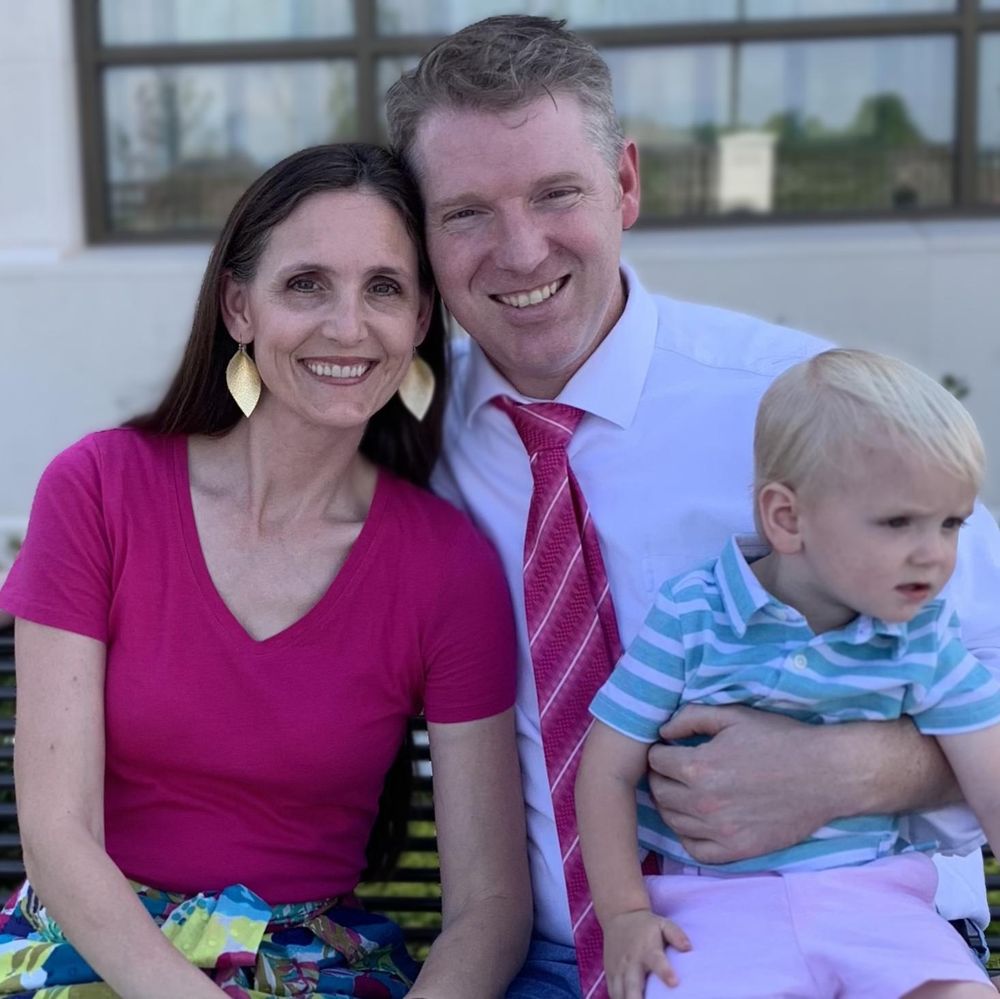
At Guadalupe Kids Dental in Seguin, Texas, we understand that every child is unique, and we are proud to serve children with autism and other special needs throughout the Seguin area and the surrounding communities of Geronimo, Marion, New Braunfels, Stockdale, Kingsbury, Gonzales, Avery Park, and Navarro Ranch. Dr. Kristopher “Kit” Bennion is a board-certified pediatric dentist who completed his residency at Children’s Hospital of Philadelphia, where he developed extensive training in caring for children with developmental differences. Our team is here to work alongside you to make dental care approachable and positive for your child.
Why Dental Visits Can Be Challenging for Children with Autism
Children with ASD may experience heightened sensitivity to sensory input, including bright lights, the sounds of dental instruments, unfamiliar tastes, and physical touch inside the mouth. These are not behaviors that children can simply be talked out of; they are genuine neurological responses that require preparation and compassion.
The Role of Sensory Sensitivity
Sensory sensitivities are among the most common barriers to dental care for children with autism. The dental environment involves many simultaneous stimuli, and for a child who processes sensory input differently, this can feel intense and disorienting. Research published by the American Academy of Pediatric Dentistry confirms there is no one-size-fits-all approach to dental care for children with ASD, and that parents are the most valuable partners in helping clinicians understand each child’s unique needs.
Communication and Trust
Children with autism may communicate differently, and building a foundation of trust with your dental care team takes time and consistency. We encourage families to share their child’s communication style, known triggers, and comfort preferences before the first visit. The more we know going in, the more we can tailor the appointment to reduce surprises and build confidence over time.
How We Adapt Our Approach for Children with Autism
Our team uses a variety of adaptive dental techniques for children with developmental delays to make every visit as smooth as possible. We adjust pacing, language, and the physical environment to meet each child where they are.
Tell-Show-Do and Gradual Exposure
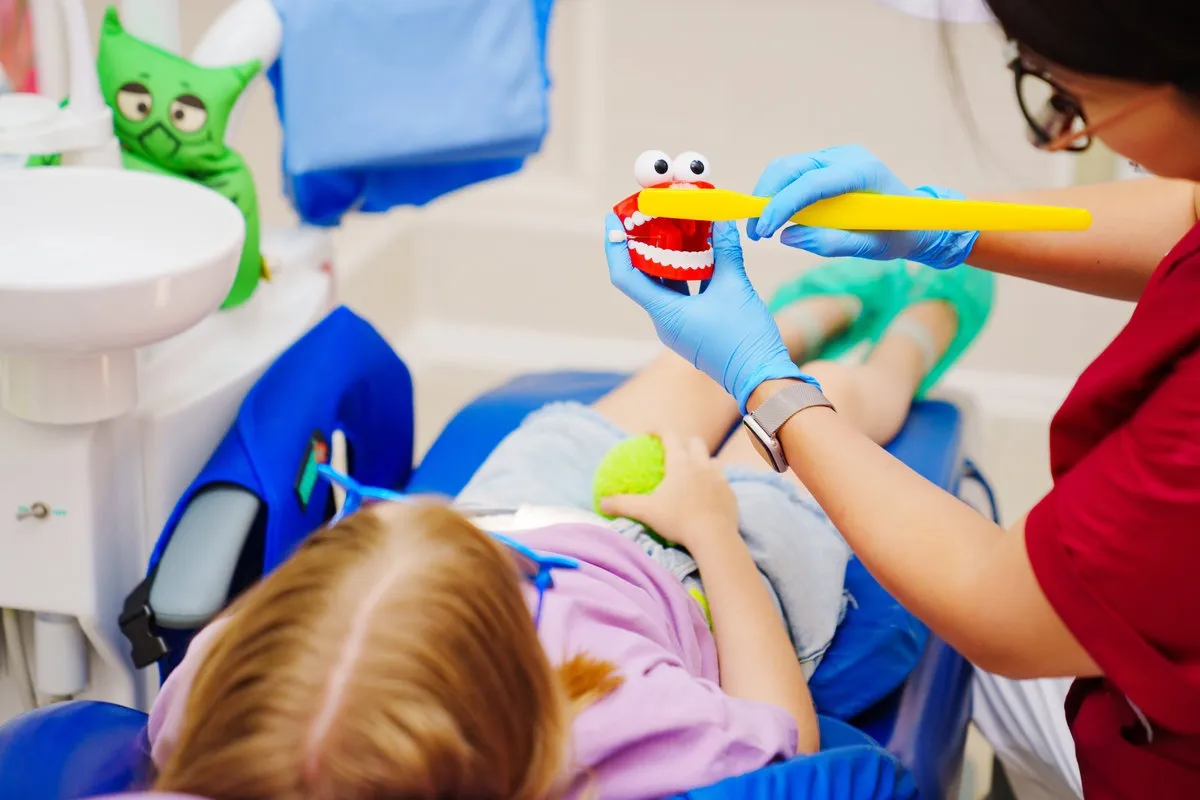
One of the most effective methods we use is a gradual introduction to dental tools and procedures. We show your child each instrument, explain what it does in simple language, and allow them to explore it before anything happens. This “tell-show-do” approach reduces the element of surprise, which can be one of the biggest sources of anxiety for children with ASD. We never rush, and we celebrate every small win alongside your child.
Comfort Measures and Sensory Tools
We welcome you to bring items from home that comfort your child, such as a favorite toy, a weighted blanket, or noise-reducing headphones. Our team can also dim lighting, limit the number of people in the room, and take breaks as needed throughout the appointment. Consistency matters, too. Seeing the same faces at each visit helps build familiarity and reduces stress for children who thrive on routine.
Sedation Options When Extra Support Is Needed
For some children with autism, sensory support and gradual exposure alone may not be enough to complete certain procedures comfortably. In those cases, we offer safe, carefully managed sedation options designed to help your child relax.

Questions About Your Child's Dental Health? test
Dr. Kit Bennion is here to help.
For nitrous oxide (laughing gas) and oral sedation, children typically remain awake throughout the procedure while feeling very calm and at ease. Our team walks you through every option in detail so you feel fully informed. You can learn more on our pediatric sedation options page.
Choose Guadalupe Kids Dental for Your Child’s Smile
At Guadalupe Kids Dental, we believe every child deserves compassionate, high-quality dental care, no matter their unique needs. Dr. Bennion’s board certification in pediatric dentistry and his training at one of the nation’s leading children’s hospitals give our team a strong foundation for serving children with autism and a wide range of developmental differences.
Frequently Asked Questions About Dental Care for Children With Autism
What should I share with the dental team before my child’s first visit?
Details about your child’s sensory triggers, communication style, calming strategies, and any past dental or medical experiences that went well or poorly all help the team tailor the visit.
Can we do a practice visit before an actual appointment?
Many practices, including ours, welcome pre-visit tours so your child can explore the office and meet the team without the pressure of treatment that day.
What is the tell-show-do approach?
It is a technique where the dental team shows your child each instrument and explains what it does before using it, reducing the surprise factor that often triggers anxiety.
Is sedation always necessary for children with autism?
No. Many children do well with sensory accommodations and gradual exposure alone. Sedation is reserved for cases where additional support is needed for a specific procedure.
Can we bring comfort items from home to the appointment?
Yes, items like a favorite toy, weighted blanket, or noise-reducing headphones are welcome and can help your child feel more at ease.
We take time to understand your child, communicate with you openly, and create a plan that feels manageable. When you are looking for a team that truly invests in your child’s comfort, knowing what qualities to look for in a pediatric dentist can help you feel confident in your choice.
We proudly serve families across our service area, including Seguin, New Braunfels, Gonzales, Stockdale, Kingsbury, Geronimo, Avery Park, and Navarro Ranch. We accept most major insurance plans, including Medicaid (TMHP), Cigna, Aetna, Delta Dental, Humana, Blue Cross Blue Shield of Texas, and more. When you and your child are ready to take the next step, we are here to help. Schedule an appointment with our team today, and let us show you what patient-centered pediatric dental care looks like.